

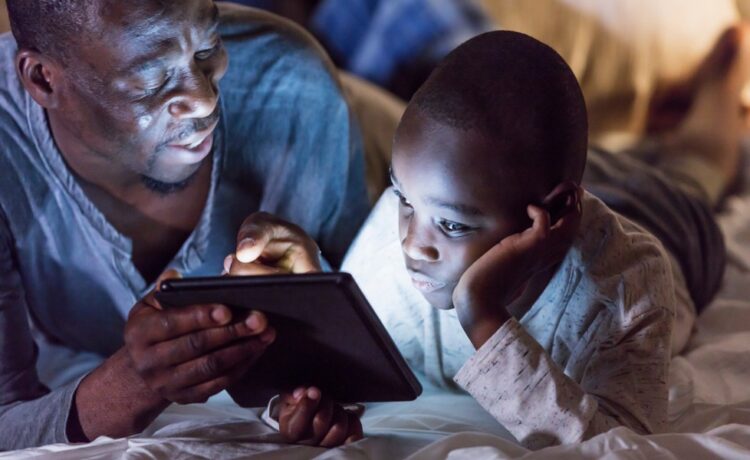
It’s no secret that screens play a huge role in children’s lives today. Tablets, phones and streaming platforms are often the default option, especially during downtime. While technology isn’t going anywhere, many parents are starting to notice how easily it replaces real interaction.
The challenge isn’t removing screens completely. It’s making sure they don’t become the only source of entertainment. Children still need opportunities to communicate, react to others and build confidence in social settings. Without that, it becomes harder for them to engage naturally outside of a digital space.
One of the most effective ways to encourage this is through shared, real-world experiences. This is where things like children’s party entertainment services can quietly play a role, as they bring groups of children together in a way that encourages interaction, laughter and participation without it feeling forced or structured like a classroom.
Why Social Interaction Still Matters
Children learn a lot from being around others. They pick up on tone, body language and group dynamics-things that simply don’t translate through a screen. Even small interactions, like taking turns in a game or reacting to something unexpected, help build awareness and confidence.
Guidance from organisations such as the Royal College of Paediatrics continues to emphasise that real-world interaction is essential for healthy development. It’s not just about limiting screen time, but replacing it with experiences that actually engage children on a social level.
Creating More Opportunities For Interaction
This doesn’t need to be complicated. Small, consistent efforts often work best. Inviting a few friends over, organising group activities or planning simple weekend meetups can all create natural opportunities for interaction.
Children tend to engage more when the environment feels relaxed. When there’s no pressure to “perform” socially, they begin to open up on their own.
Balancing Structure And Freedom
Unstructured play is important, but it doesn’t always hold attention in group settings. Without a shared focus, children can quickly split into smaller groups or lose interest altogether.
Adding light structure-like a group game or interactive activity-helps bring everyone together. The key is to guide the experience without controlling it too much. When the balance is right, children stay engaged while still feeling free to enjoy themselves.
The Role Of Group Experiences
There’s something different about shared group moments. Whether it’s laughter during a game or reacting to something unexpected together, these experiences create a sense of connection that individual play doesn’t always provide.
This is why events, gatherings and even small celebrations can have such a strong impact. They create an environment where interaction happens naturally, without needing to force it.
Reducing The Reliance On Screens
When children are given engaging alternatives, screens become less of a default. It’s not about strict rules-it’s about offering something more appealing.
Active play, group interaction and shared experiences all provide stimulation that screens can’t fully replicate. Over time, this helps shift habits in a more balanced direction.
Making It Part Of Everyday Life
Social interaction shouldn’t be limited to special occasions. It can be built into everyday routines-short play sessions, casual meetups or even regular group activities.
These small, consistent moments make a big difference. They help children feel more comfortable around others and more confident in different situations.
A More Balanced Approach
Screens will always be part of modern life, but they don’t need to dominate it. By creating more opportunities for children to connect, communicate and engage with others, parents can help build a healthier balance.
And in that balance, children don’t just stay entertained-they develop the skills and confidence that carry into every part of their lives.