
Mobile healthcare is expanding access to medical services beyond traditional facilities. By delivering care directly to communities, workplaces, schools, and remote locations, mobile medical units improve accessibility, reduce travel challenges, and provide flexible healthcare solutions that adapt to changing patient and community needs.
This shift in service delivery illustrates how Mobile Healthcare Quietly Changing Where care actually happens, moving the point of care away from centralized hospital campuses and into everyday spaces. By removing physical barriers to entry, these on-the-go medical units create a dynamic healthcare model that prioritizes patient convenience without sacrificing quality of care. This evolution fundamentally transforms patient engagement, turning reactive medical visits into proactive, community-centered wellness management.
Bringing Healthcare Closer to Communities
One of the greatest strengths of mobile healthcare is its ability to reach communities that may have limited access to permanent medical facilities. Mobile units travel directly to patients, making healthcare more convenient for individuals who might otherwise face long travel times.
This approach improves access to essential services while encouraging more people to seek timely medical care.
Supporting a Wide Range of Medical Services
Modern mobile healthcare units can provide many different healthcare services depending on community needs. Their flexibility allows healthcare providers to respond efficiently to changing demands without relying entirely on fixed facilities.
Common services include:
- General health consultations
- Preventive health screenings
- Vaccination programs
- Diagnostic testing
- Occupational health services
Offering multiple services from one mobile unit helps improve healthcare availability.
Improving Access During Emergencies
Natural disasters, disease outbreaks, and other emergencies can disrupt access to healthcare. Mobile medical units provide temporary treatment spaces that allow healthcare professionals to continue serving patients when permanent facilities are unavailable or operating at full capacity.
Their mobility enables rapid deployment to locations where medical assistance is urgently required.
Reducing Travel Challenges
For many patients, traveling to a healthcare facility can be difficult due to distance, transportation limitations, or mobility concerns. Mobile healthcare reduces these obstacles by bringing services directly to communities and workplaces.
Receiving care closer to home often makes routine checkups and preventive healthcare more convenient.
Supporting Preventive Healthcare
Mobile healthcare encourages early detection and preventive care by making health services easier to access. Regular screenings, vaccinations, and health education programs help identify potential health concerns before they become more serious.
Preventive services also contribute to healthier communities over the long term.
Using Flexible Medical Facilities
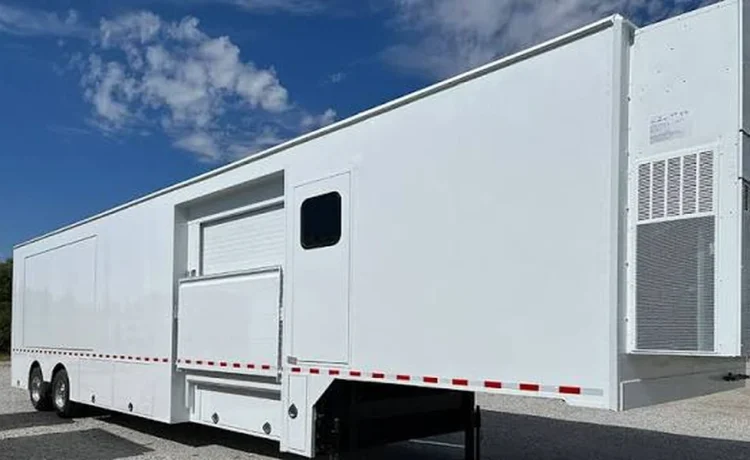
Mobile healthcare units can be adapted for different healthcare programs and patient populations. Interior layouts, medical equipment, and treatment areas can be customized to support a variety of healthcare services.
This flexibility allows organizations to respond efficiently to changing healthcare priorities.
Improving Healthcare Efficiency
Providing healthcare through mobile units allows organizations to expand their services without constructing additional permanent facilities. Well-equipped mobile clinics help healthcare professionals deliver quality care while using available resources efficiently.
This approach supports both operational flexibility and improved patient access.
Preparing for Future Healthcare Needs
Healthcare demands continue to change as populations grow and medical technologies advance. Mobile healthcare provides a flexible solution that can adapt to new treatment methods, equipment, and community health programs.
Its ability to evolve alongside changing healthcare requirements makes it an increasingly valuable part of modern healthcare systems.