
Invisalign has become a popular choice for individuals seeking a discreet and comfortable way to straighten their teeth. Unlike traditional braces, it uses clear, removable aligners that gradually shift teeth into the desired position, making invisalign a convenient option with minimal impact on daily life. Understanding the treatment timeline and what to expect can help patients feel more confident and prepared throughout the process.
Initial Consultation and Assessment
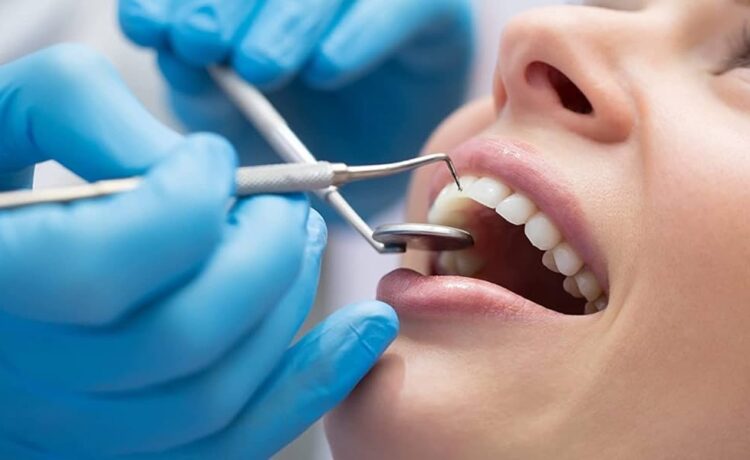
The journey begins with a consultation with a dental professional. During this stage, the dentist evaluates the patient’s teeth, discusses goals, and determines whether Invisalign is a suitable option. Digital scans or impressions are taken to create a customized treatment plan.
Customized Treatment Plan
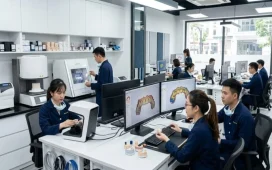
Using advanced imaging technology, a series of aligners is designed specifically for the patient. Each set of aligners is created to make gradual adjustments to tooth positioning. Patients are often shown a digital preview of how their smile will improve over time, which helps set clear expectations.
Wearing the Aligners
Once the aligners are ready, patients begin wearing them daily. For effective results, aligners should be worn for about 20 to 22 hours per day and only removed for eating, drinking (except water), and oral hygiene.
Important guidelines include:
- Change to a new set of aligners as directed, usually every 1-2 weeks
- Keep aligners clean to maintain hygiene
- Follow the dentist’s instructions consistently
Treatment Duration
The length of Invisalign treatment differs depending on the complexity of the case. On average, it can take around 6 to 18 months. Minor corrections may require less time, while more complex adjustments may take longer. Regular check-ups are scheduled to monitor progress and make necessary adjustments.
Comfort and Adjustments
Patients may experience slight pressure or discomfort when switching to a new set of aligners. This is a normal sign that the aligners are working. Compared to traditional braces, Invisalign is generally more comfortable, as it does not involve wires or brackets.
Maintaining Oral Hygiene
One of the advantages of Invisalign is that the aligners are removable, making it easier to maintain oral hygiene. Patients can brush and floss normally without obstruction. However, it is important to clean both the teeth and aligners regularly to prevent plaque buildup.
Tracking Progress
Throughout the treatment, dentists monitor the alignment of teeth to ensure everything is progressing as planned. Adjustments may be made if necessary to achieve the best results. Consistency in wearing aligners plays a key role in staying on schedule.
Post-Treatment Retention
After completing the Invisalign treatment, patients are typically required to wear retainers. Retainers help maintain the new position of the teeth and prevent them from shifting back. The duration and frequency of retainer use depend on individual cases.
Invisalign treatment offers a convenient and effective solution for achieving a straighter smile. By understanding the timeline and following recommended guidelines, patients can expect gradual and noticeable improvements, leading to long-lasting results.