
Convenience Should Still Include Careful Planning
An in-room massage can appeal to visitors who want to avoid another journey after a long day. It may also suit people who have limited time between work commitments and evening plans. Yet convenience should not mean skipping basic checks. Before arranging any service at your accommodation, make sure the provider, price, appointment details, and rules for visitors are clear.
Start by confirming that the service operates in your area and that the proposed time is realistic. Ask whether the session will take place at your hotel or another address and provide only the information needed to arrange the appointment. If the accommodation has a visitor policy, follow it. A straightforward arrangement is safer and less stressful than making assumptions at the last minute.
Read the Service Description Carefully
Search phrases such as 서울출장안마 and 서울출장마사지 may be useful when looking for Seoul-based mobile massage information. Still, a keyword or short advertisement is only a starting point. Read the complete description to understand what the provider actually offers, how long the appointment lasts, and what preparation may be required.
Check whether the listed price is final or whether transport, late-hour appointments, or other costs may be added. Ask what equipment or supplies the therapist brings and whether you need to provide towels or a suitable space. If the answers are incomplete, request clarification before booking. Good communication at this stage helps avoid confusion when the appointment begins.
Prepare a Suitable Space
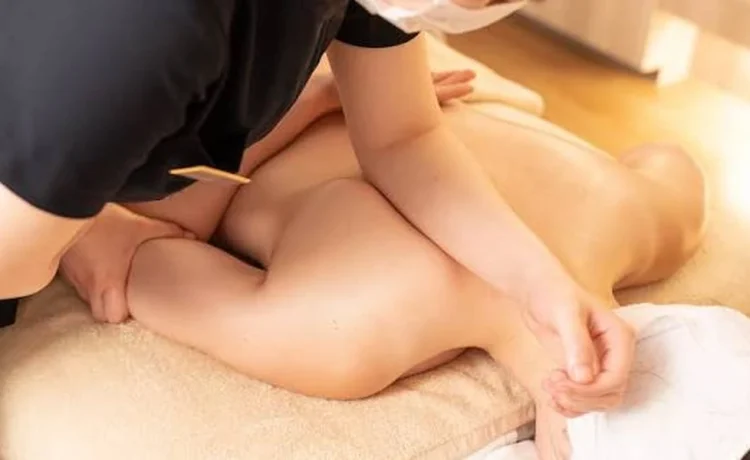
A comfortable treatment area should be reasonably quiet, clean, and large enough for safe movement. Move bags and loose items out of the way, secure valuables, and make sure the room has suitable lighting and ventilation. If a massage table or other equipment is required, confirm that there will be enough room for it.
Keep the space practical rather than trying to create a perfect spa atmosphere. A clean surface, comfortable temperature, and clear path through the room are usually more useful than extra decorations. If you are sharing accommodation, consider whether the timing will disturb other guests. Simple preparation can help the session proceed smoothly and professionally.
Set Boundaries and Communicate Preferences
Before treatment begins, explain what kind of pressure you prefer and whether there are areas that should be avoided. Mention any discomfort, recent injuries, or relevant health concerns. You are entitled to ask questions about the technique and to request adjustments during the session. A professional should listen without making you feel awkward for speaking up.
Agree on the expected session length and what is included. If the service differs from what was described, pause and clarify the issue rather than feeling obligated to continue. You can end a session if you feel unsafe or uncomfortable. Clear boundaries are a normal part of a respectful service relationship.
Understand Hygiene and Personal Safety
Ask about the provider’s hygiene practices and the cleaning of reusable equipment. Fresh linens or properly cleaned materials should be used where appropriate. Keep your phone accessible and let a trusted person know your general plans if that helps you feel comfortable. Avoid sharing unnecessary personal or financial details.
Be cautious about demands for unexpected deposits, last-minute price increases, or pressure to move the appointment to an unfamiliar location. Confirm the agreed price and time in writing. If something feels inconsistent or uncomfortable, you can decline the service. A professional booking process should not depend on urgency, intimidation, or unclear conditions.
Know When Massage May Not Be Appropriate
Massage can be relaxing, but it is not suitable in every situation. Recent injuries, fever, certain skin conditions, unexplained swelling, and some medical conditions may require caution or professional guidance. If you are unsure whether massage is safe for you, ask a qualified healthcare professional before arranging a session.
During treatment, mild pressure can be expected, but sharp pain, numbness, dizziness, or sudden discomfort should not be ignored. Tell the therapist to stop or change the technique. Do not treat massage as a replacement for diagnosis when symptoms are persistent or worsening. Responsible decisions begin with recognizing the difference between everyday tiredness and a problem that needs medical attention.
Confirm the Details Before the Appointment
A final confirmation should cover the date, arrival window, address, session duration, service type, full cost, and cancellation policy. Save the relevant messages so you can refer to the agreement if plans change. If the provider is delayed, ask how updates will be communicated and how long you should wait before rescheduling.
These checks may seem simple, but they make the experience easier for everyone involved. Convenience is valuable when it is paired with transparency and respect. By preparing the room, communicating clearly, and confirming the practical details, you can make a more informed choice about whether an in-room massage fits your needs.