

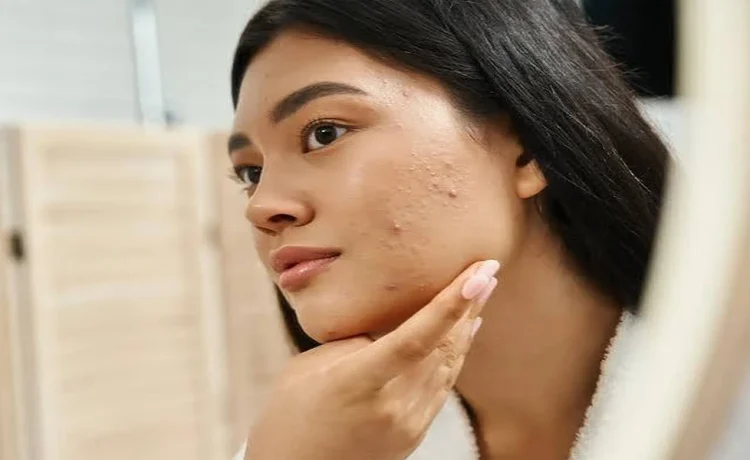
Choosing an aesthetic treatment can be confusing when different clinics advertise different technologies for the same concern. A laser may be suggested in one consultation, while another practitioner may discuss microneedling, topical products or an injectable treatment. The names of the procedures alone offer little guidance about which approach is appropriate for you.
If you live in Singapore and are considering treatment for prominent facial pores, a sensible starting point is to understand your skin and the quality of the advice you receive. Rather than comparing treatment packages immediately, consider the underlying cause, the qualifications of the practitioner, the potential risks and the full cost of care. This guide explains how to prepare for an informed consultation and what to look for before making a decision.
Start by understanding your particular skin concern
Pores are naturally visible to varying degrees. Their appearance may be influenced by follicular size, oil production, ageing and reduced elasticity. You may also have several concerns at once, and what appears to be a large pore could instead be a small acne scar.
People with oily skin may notice recurring congestion around the nose and forehead. Combination skin may have similar concerns in the central face but experience dryness elsewhere. People with dry skin can still have visible cheek pores, particularly when structural changes in the skin contribute to the appearance.
Sensitive skin deserves particular attention. If your face frequently burns, flushes or reacts to cosmetics, mention these symptoms before discussing a procedure. Active acne, eczema or other inflammatory skin conditions may change the most appropriate treatment plan. A practitioner may recommend managing an underlying condition before considering elective aesthetic care.
Why the first skin assessment matters
A useful assessment should go beyond looking at a close-up photograph. The practitioner should ask when the changes began, whether the concern is stable or getting worse, what products you use and whether you have previously experienced pigmentation or scarring after an injury or procedure.
An examination in consistent lighting can help distinguish follicular openings from acne scars and other surface irregularities. If photographs are taken to establish a baseline, ask how they will be stored and whether your consent is required for any use beyond your medical record. Photographs used for clinical monitoring are more useful when lighting, distance and camera settings remain consistent.
Bring a list of medications, allergies and previous facial procedures. Mention pregnancy, breastfeeding, a history of cold sores or a tendency to develop raised scars. These details may affect whether certain treatments should be avoided, delayed or modified.
Understand the types of treatment you may be offered
When comparing online information about “singapore treatment for enlarged pores“, use the information as a starting point for questions rather than as a substitute for assessment. A treatment name on a clinic website does not establish that you are an appropriate candidate.
Fractional picosecond laser procedures are one category of energy-based treatment that has been studied for facial pores and uneven texture. Potential adverse effects include irritation, swelling and changes in pigmentation. Results depend on the procedure and individual characteristics.
Radiofrequency microneedling, including devices such as Sylfirm X, delivers energy through needles. Research has explored its effects on pores and other texture concerns, but the procedure has important safety limitations. The US FDA has published a safety alert about RF microneedling following reports of serious injuries, including burns, scarring, nerve damage and unwanted loss of fat.
Skin boosters and hyaluronic acid formulations such as Profhilo are often discussed in relation to skin quality and hydration. Their potential effects on visible pores should not be assumed from hydration outcomes alone. Injectables can cause bruising, swelling, infection and other complications; filler-type products also carry risks involving blood vessels.
Chemical peels may be considered for selected superficial skin concerns. A clinician may instead recommend a tailored topical routine, especially when congestion is the main issue. Each option should have a clear rationale rather than being presented as part of a standard package for everyone.
How to assess an aesthetic clinic in Singapore
Verify licensing and professional credentials
Singapore regulates clinical aesthetic services under its healthcare licensing framework. The government’s HealthHub guidance on healthcare services and professionals explains how members of the public can check a provider’s licence and a doctor’s registration with the Singapore Medical Council.
Verify the specific clinic and the practitioner who would perform your procedure, not just the brand name. Ask whether the practitioner has relevant experience with the technology, your skin characteristics and the concern being addressed. A registered doctor is not automatically a registered specialist in every field.
Look for clear explanations rather than promises
A consultation should include a discussion of realistic outcomes, alternative treatments and possible complications. Singapore’s Ministry of Health guidance on aesthetic advertising emphasises factual, accurate information that does not encourage unnecessary healthcare consumption. Claims of guaranteed results or an entirely risk-free procedure warrant caution.
Ask about hygiene, the exact product or device, and whether the clinic has appropriate arrangements to respond to adverse events. You should be able to understand the plan before consenting, without pressure to purchase a package on the same day.
What happens before, during and after treatment?
Before treatment, the practitioner should explain any preparation needed for the specific procedure, including whether certain skincare products should be stopped temporarily. You may need to reschedule if you develop an infection, sunburn or a new rash. Do not discontinue prescribed medication without medical advice.
During treatment, expectations differ according to the method. Some procedures involve topical anaesthesia, others involve needles or protective eyewear. Discuss pain management and the expected sensations in advance. You can ask questions and raise concerns throughout the process.
Afterwards, request written care instructions and a contact number for problems. Understand which symptoms are expected and which require prompt assessment. Severe or worsening pain, blistering, spreading redness or fever should not be ignored. Sudden vision changes after facial injections require emergency medical attention.
What affects the total cost in Singapore?
A quoted session fee does not always represent the total cost of treatment. Ask for a written estimate in Singapore dollars that identifies the consultation fee, the procedure, any consumables or anaesthetic charges, applicable taxes and follow-up arrangements.
If several sessions are suggested, ask what evidence supports the proposed schedule and whether progress will be assessed before proceeding. Clarify the terms of any prepaid package, including expiry, cancellation or refund conditions, and what happens if the doctor advises against further sessions.
A low fee does not establish poor quality, just as a high fee does not guarantee good results. Consider the overall value of the proposed care, the practitioner’s experience and your ability to manage recovery around work or family obligations. Do not assume elective procedures are covered by insurance; verify your own policy.
Frequently asked questions
Should I bring my skincare products to a consultation?
A list of products and their active ingredients is usually helpful. Include prescription treatments and any product that has previously caused irritation.
Can I go back to work immediately after treatment?
Recovery depends on the method and individual response. Ask specifically about visible redness, swelling, makeup restrictions and outdoor activities before scheduling around work.
Is it necessary to book a course of sessions in advance?
No. A proposed course should have an individual rationale. You can ask to review the response to an initial session before agreeing to further elective procedures, where appropriate.
What if two doctors recommend different treatments?
Ask each to explain the diagnosis, evidence, risks and alternatives. A second opinion is reasonable if the recommendations differ or the decision involves substantial expense or risk.
Conclusion
Choosing a treatment in Singapore is a healthcare decision, even when the objective is cosmetic. Verify the provider, understand your skin assessment, ask about the specific procedure and request transparent costs and aftercare. You should have enough information to decide whether the potential improvement justifies the expense and risks. There is no obligation to treat normal visible pores, and a well-considered decision to continue with skincare alone can be just as appropriate as pursuing a procedure.