
Dental emergencies can happen suddenly and cause a lot of pain and stress. Knowing what to do in these situations can help you stay calm and protect your teeth. Emergency dental care focuses on treating serious emergency dentist near me problems quickly to reduce pain and prevent further damage.
A dental emergency is any problem that needs immediate attention. This may include severe tooth pain, a knocked-out tooth, heavy bleeding, or swelling in the mouth or face. These issues cannot wait for a regular appointment because they may lead to serious complications if ignored.
Not all dental problems are emergencies. Mild sensitivity, small chips without pain, or slight discomfort can usually wait for a normal dental visit. However, if the pain is severe, bleeding does not stop, or there is visible injury, it is important to seek help right away.
Common causes of dental emergencies include accidents, untreated cavities, infections, or damaged dental work like crowns or fillings. Sports injuries or falls can also lead to broken or knocked-out teeth. Recognising the signs early can help you act quickly and avoid further problems.
There are several types of dental emergencies. A severe toothache may be caused by infection or deep decay and often requires immediate treatment. A knocked-out tooth is one of the most common emergency cases. Acting within a short time can increase the chances of saving the tooth. Broken or cracked teeth can cause pain and sensitivity and should also be treated quickly.
If a dental emergency happens, taking the right steps at home can help until you reach a dentist. For a knocked-out tooth, hold it by the top part and try to place it back in its position if possible. If not, keep it in milk or a clean liquid. For swelling, applying a cold compress can help reduce pain. Rinsing your mouth with warm salt water can also help keep the area clean. Avoid placing painkillers directly on the gums, as this can irritate them.
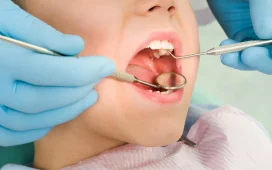
When you visit a dentist for an emergency, they will first examine your condition and may take X-rays. The goal is to find the problem and provide quick relief. Treatments may include repairing damaged teeth, treating infections, or performing procedures like root canal therapy if needed.
Preventing dental emergencies is always better than treating them. Brushing your teeth twice a day, flossing regularly, and visiting the dentist for checkups can help keep your teeth strong. Wearing a mouthguard during sports and avoiding habits like chewing hard objects can also reduce the risk of injury.
After receiving emergency treatment, proper care is important for healing. Follow your dentist’s advice, eat soft foods, and maintain good oral hygiene. Attending follow-up visits ensures that your teeth are healing properly.
In conclusion, emergency dental care plays a vital role in protecting your oral health. Acting quickly, knowing what steps to take, and seeking professional help can make a big difference. Being prepared helps you handle dental emergencies with confidence and protect your smile.