

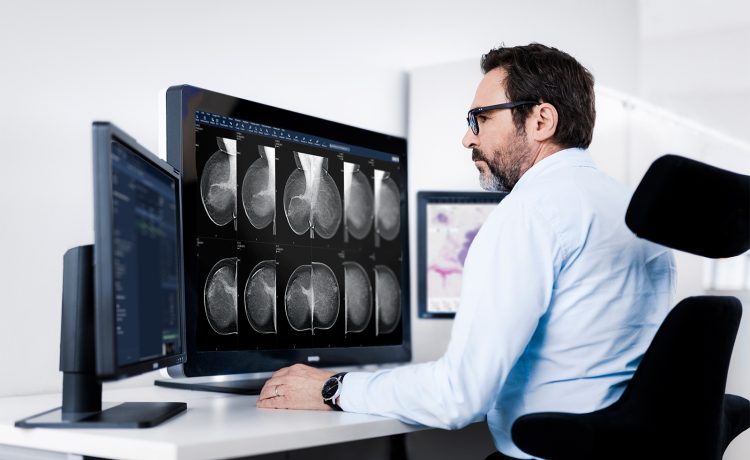
An accurate diagnosis and a detail left undetected may become differentiated by visual clarity in the realm of contemporary healthcare. Surgeons, radiologists, and other experts employ medical displays in reading images and scans accurately. The accuracy of their observation–whether they are looking at a small crack on an X-ray or at early indication of a tumor on MRI–is indirectly determined by the quality and regularity of the machines they use. It implies that visual quality testing of medical monitors becomes a requirement component of patient care and a technical requirement.
To keep visual quality in clinical settings, effective tools and procedures are absolutely critical. Perfectlum from QUBYX is the right solution to control calibration, brightness tests, and conformity with medical display standards. Medical imaging monitors monitor and detect abnormalities before they impact diagnostic confidence ensuring that displays remain within performance limits. Every test is automatically scheduled and conducted, thus lowering human intervention while guaranteeing constant adherence and outstanding dependability.
Medicine: Why Visual Quality Matters
On numerous occasions, healthcare professionals rely on imaging findings only and make critical decisions based on it. It means that the quality of the shots as regards brightness, contrast, grayscale precision, and resolution must be uncompromised. Monitors are wearable, so with time even the best ones can wear out. Although the human eye may not detect the slight differences in luminance/hue reproduction, making such a difference can seriously affect the diagnosis outcomes.
Early detection of these alterations is made possible by visual quality testing. Regularly testing criteria like luminance uniformity, contrast resolution, and grayscale calibration helps healthcare professionals guarantee the dependability of their diagnostic devices. These inspections not only help to avoid mistakes but also increase the effective life of pricey display devices.
Calibration Isn’t a One-Time Task
Many organizations believe that once a monitor passes its first acceptance test, it is set for years of usage. Monitors in medical environments, however, are subject to great daily usage and environmental changes that may slowly change their function. Sustaining diagnostic accuracy requires frequent calibration and quality assurance.

Automated scheduling of calibration procedures, maintenance records for compliance audits, and user notifications when a display deviates from its desired requirements are all included in AI-based picture augmentation technology. This proactive attitude guarantees radiologists always have accurate visual data and lowers downtime.
Streamlining Reliability and Compliance
Keeping up with accreditation and regulatory standards may be challenging to the clinical IT teams. DICOM (Digital Imaging and Communications in Medicine) and American College of Radiology (ACR) requirements require documentation and performance verification on a regular basis. Tools makes this easier by including automated testing and documentation into everyday operations, so lowering hand labor and increasing system integrity confidence.
Beyond regular testing, visual quality tools help in root-cause analysis when problems show up. Should an image appear hazy or inconsistent, performance logs and test histories can swiftly pinpoint whether the problem is with the monitor, the imaging system, or some other factor altogether. This guarantees little interruption to patient care and speeds up troubleshooting.
Invest in Accuracy and Trust
In sectors where a missed detail may delay a diagnosis or result in pointless surgeries, every pixel counts; thus, visual quality testing is an investment in patient trust, operational efficiency, and clinical accuracy. Continuous calibration and testing guard against drift and degradation that might slowly impair diagnostic performance.