
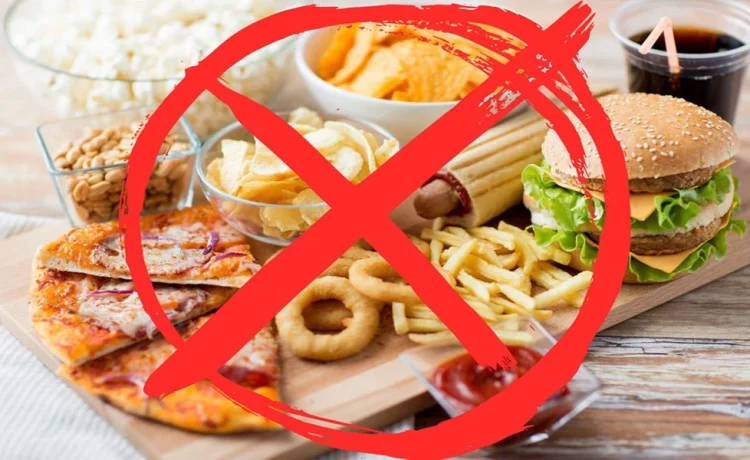
A cancer diagnosis changes a lot about daily life, and food is often one of the first things to feel different. Between nausea, mouth sores, taste changes, and a weakened immune system from treatment, knowing what’s safe to eat can feel like one more thing to figure out on top of everything else. This guide covers the foods cancer patients are generally advised to avoid during treatment, and why, so you can make informed choices alongside your care team.
Why Diet Matters During Your Cancer Treatment
Chemotherapy and radiation don’t just target cancer cells, they can also affect the immune system, digestion, and appetite. This makes cancer patients more vulnerable to foodborne illness than usual, and even a mild case of food poisoning can become serious when the immune system is already compromised. That’s why food safety, not just nutrition, becomes such an important part of a cancer patient’s diet.
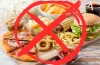
Cancer Foods to Avoid
Raw or Undercooked Meat, Poultry, and Seafood
Sushi, raw oysters, rare steak, and undercooked eggs all carry a higher risk of bacteria like salmonella and E. coli. Because chemotherapy can suppress the immune system, an infection that a healthy person might shake off easily can become far more serious for a cancer patient. Foods should be cooked thoroughly, and leftovers refrigerated promptly.
Unpasteurised Dairy and Soft, Mould-Ripened Cheeses
Unpasteurised milk, and soft cheeses like brie or blue cheese, can harbour listeria and other bacteria that are riskier for someone with a weakened immune system.
Unwashed or Hard-to-Wash Produce
Raw fruits and vegetables are generally fine when thoroughly washed, but produce that’s difficult to scrub clean, like berries, or pre-cut fruit that’s been sitting out, carries more risk. Patients undergoing intensive chemotherapy for blood cancers like leukaemia or lymphoma may be advised to avoid raw produce altogether, depending on their treatment plan.
Raw Nuts
Raw nuts can pick up bacteria during harvesting and handling. Roasted nuts are generally considered a safer choice during treatment.
Buffets and Food Left Out at Room Temperature
Food that’s been sitting out, whether at a buffet or on the counter at home, has a higher risk of bacterial growth. As a general rule, food left at room temperature for more than two hours should be discarded.
Alcohol
Alcohol can worsen dehydration, nausea, mouth sores, and liver strain, and it may interact with certain cancer medications. Whether alcohol is safe during your specific treatment is a question worth asking your oncology team directly, since it varies by drug and by patient.
Grapefruit and Grapefruit Juice
Grapefruit is well known for interacting with a wide range of medications, including some chemotherapy drugs, by affecting how the body processes them. It’s generally best avoided during treatment unless your care team says otherwise.
Spicy, Acidic, or Hard Foods (If You Have Mouth Sores)
Mouth sores are a common side effect of chemotherapy, and spicy, acidic, or hard, crunchy foods can make them more painful. This isn’t a permanent restriction, it’s specific to periods when mouth sores are active.
Excess Processed and Sugary Foods
While an occasional treat isn’t harmful, diets heavy in ultra-processed foods and added sugar don’t support the body’s nutritional needs during a period when it’s already working hard to recover and respond to treatment.
If you and your care team are exploring ways to support your body through treatment beyond diet alone, Cancer Healer Therapy (CAM) is designed to work alongside your prescribed chemotherapy or radiation, helping support your immune system and overall wellbeing during this time.
The Bigger Picture Beyond “Avoid” Lists
- Every treatment is different
Some chemotherapy drugs cause cold sensitivity, others affect taste, others impact the immune system more heavily than others. Your oncologist and dietitian will tailor food safety guidance to your specific treatment and health history.
- This isn’t about restriction for its own sake
The goal is helping you eat safely and comfortably, not eliminating enjoyment from meals. Many of these guidelines are temporary, tied to specific phases of treatment.
- When in doubt, ask your care team
Nutritional needs during cancer treatment are highly individual, and your oncology team is best placed to advise on your specific situation.
Navigating a cancer diagnosis involves far more than any single diet change, it’s a full journey that deserves coordinated, comprehensive support. At Cancer Healer Center, Cancer Healer Therapy (CAM) works alongside your oncologist’s treatment plan, never instead of it, helping your body handle treatment better while you focus on healing. Book a Consultation to speak with our team today.
Disclaimer:
This article is intended for general informational purposes and does not replace professional medical or dietary advice. Nutritional needs vary significantly by cancer type, treatment, and individual health history. Please consult your oncologist or a registered dietitian before making changes to your diet during cancer treatment.
Frequently Asked Questions
Which foods are bad for cancer patients?
Raw or undercooked meat, seafood, and eggs, unpasteurised dairy, unwashed produce, raw nuts, alcohol, and grapefruit are generally best avoided during treatment.
What foods stop cancer cells from growing?
No single food has been shown to stop cancer cell growth, a balanced, whole-food diet supports the body during treatment, but should never replace medical care.
Can I eat rice if I have cancer?
Yes, well-cooked rice is generally safe and often easier to tolerate during treatment, especially when nausea or appetite changes are present.
How to survive stage 4 cancer?
There’s no single answer, outcomes depend on cancer type and individual factors, but working closely with your oncology team on treatment, symptom management, and supportive care gives you the best foundation.
Can cancer patients drink alcohol during treatment?
It depends on the specific treatment and medications involved, always check with your oncology team before consuming alcohol during chemotherapy or radiation.