

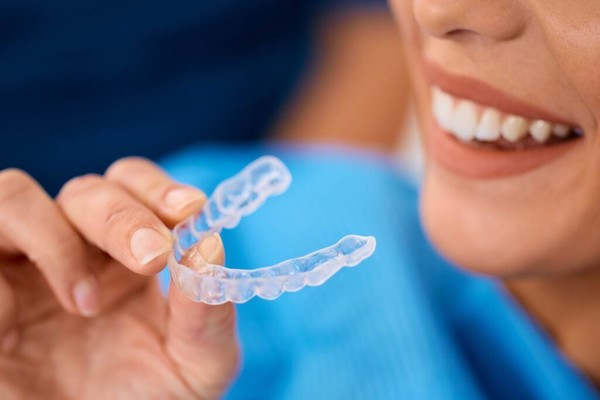
The first time, when I saw Invisalign trays up close, I honestly thought they looked like those thin plastic retainers that smell faintly like new water bottles, you know that slightly sweet plasticky smell? Anyway, Invisalign aligners are basically clear, removable trays that slowly move teeth. Not in some dramatic overnight way. More like, gentle nudging, tiny shifts happening week by week while you barely notice except for that tight pressure feeling.
They are custom-made, too. Not one-size-fits-all at all. Every tray is shaped exactly to your teeth. Which still amazes me because, like, how do they get it that precise?
The scanning and planning part
So, from what I remember reading, the process starts with digital scans, no more slushy molds, and then they create a 3D plan of how teeth should move step by step. And when I was reading about Invisalign aligners Chesterfield on Feinstein 360 Orthodontics website, they explained this whole planning stage like a roadmap, like literally mapping out each tiny tooth movement before treatment even begins.
They also talked about how patients can see a preview of their future smile, which sounds both exciting and slightly nerve-wracking, like looking into a time machine, but for your face. They focus a lot on comfort too, smooth plastic, no wires poking your cheeks, none of that metallic taste in your mouth. That part stuck in my head because I remember friends complaining about braces cutting their lips.
How the trays actually move teeth
Ok, so here is the simple version, and I had to read this a couple of times more to get it understood.
Each set of aligners:
- Applies gentle pressure to specific teeth
- Moves them a tiny bit at a time
- Needed to be worn for at least a week or two
- Gets replaced by the next slightly different tray
It is like a slow domino effect. One tray, then the next, and then the next. Over months.
You have to wear them around 20 to 22 hours a day, which sounds intense but also makes sense. Teeth don’t move if you keep popping them out every five minutes.
What makes them different from braces
This part clicked for me because it is not just about looks.
Invisalign aligners:
- Are removable for eating and brushing
- Have no metal wires or brackets
- Feel smoother and less irritated
- Are nearly invisible (unless someone is really staring at your teeth
Also, fewer food restrictions, which honestly might be the biggest emotional benefit, because I could never survive without crunchy snacks.
Final thoughts
So yes, Invisalign works through this slow, planned, step-by-step movement process that is almost invisible while it is happening. It is weird, actually, teeth quietly shifting while life just goes on, you are eating, talking, laughing, worrying about totally unrelated things.
And then one day you notice, wait, these look straighter? That slow transformation thing feels a bit poetic in a way. Like change happening quietly in the background while you are busy living. Anyway, that is how they work. Subtle. Steady. Almost sneaky.