

When the crushing pain of gout strikes at 3 AM, leaving you unable to bear even the weight of a bedsheet against your inflamed joint, you’ll understand why millions are turning to supplements for gout arthritis as their beacon of hope in an otherwise relentless storm of agony. This isn’t merely about finding alternative treatments—it’s about reclaiming a life that gout has systematically dismantled, one excruciating flare-up at a time.
The Invisible Epidemic Ravaging Modern Britain
Gout has quietly become one of the most prevalent forms of inflammatory arthritis in the developed world, affecting over 1.5 million people in the UK alone. Yet despite its prevalence, the condition remains shrouded in outdated stereotypes and medical misconceptions that leave sufferers feeling isolated and inadequately treated.
The reality is stark: traditional pharmaceutical approaches often fall short of providing comprehensive relief. Allopurinol, the most commonly prescribed medication, works for many but leaves a significant portion of patients trapped in a cycle of side effects and incomplete symptom management. Colchicine can provide acute relief but comes with gastrointestinal complications that many find unbearable. NSAIDs offer temporary respite whilst potentially damaging kidneys and cardiovascular health over time.
This therapeutic gap has created a desperate search for alternatives, driving patients towards natural interventions that address not just the symptoms but the underlying metabolic dysfunction that makes gout such a persistent adversary.
The Science Behind Natural Intervention
Research into supplements for gout arthritis has revealed fascinating insights about how certain compounds can interrupt the inflammatory cascade that transforms uric acid crystals into sources of unbearable pain. Key findings include:
• Cherry Extract
Contains powerful anthocyanins that studies suggest can reduce uric acid levels by up to 15% whilst simultaneously dampening the inflammatory response that causes joint destruction.
• Quercetin
This flavonoid found in onions and apples demonstrates remarkable ability to inhibit xanthine oxidase—the enzyme responsible for converting purines into uric acid. Clinical trials indicate that quercetin supplementation can reduce serum uric acid levels comparably to some pharmaceutical interventions, without the associated side effects.
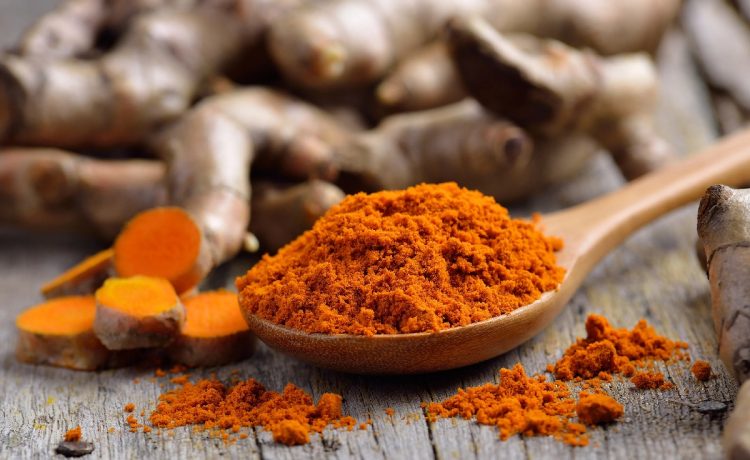
• Curcumin
Turmeric’s active compound has shown extraordinary anti-inflammatory properties in peer-reviewed studies. Its ability to modulate multiple inflammatory pathways makes it particularly effective for gout sufferers, who often experience systemic inflammation that extends far beyond the affected joints.
The Metabolic Web That Conventional Medicine Ignores
What traditional treatment approaches consistently overlook is gout’s connection to broader metabolic dysfunction. The condition rarely exists in isolation—it’s typically part of a complex web involving insulin resistance, elevated triglycerides, hypertension, and obesity. This interconnected nature explains why supplements for gout arthritis that address metabolic health often provide more comprehensive relief than isolated interventions.
Alpha-lipoic acid emerges as particularly promising in this regard. This powerful antioxidant not only reduces inflammation but also improves insulin sensitivity, potentially addressing one of gout’s fundamental triggers. Studies suggest that improved insulin sensitivity can significantly reduce uric acid production whilst enhancing the kidneys’ ability to excrete existing uric acid efficiently.
Omega-3 fatty acids, particularly EPA and DHA, demonstrate dual benefits for gout sufferers. They provide potent anti-inflammatory effects whilst simultaneously improving insulin sensitivity and reducing triglyceride levels—addressing multiple aspects of the metabolic dysfunction that perpetuates gout attacks.
The Timing Revolution in Supplementation
Recent research has revealed that when you take supplements for gout arthritis may be as important as what you take. The body’s uric acid production follows a circadian rhythm, with peak production occurring during overnight hours. This discovery has revolutionised supplementation protocols, with many practitioners now recommending specific timing strategies to maximise therapeutic benefits.
Evening supplementation with compounds like tart cherry extract appears to provide superior results compared to morning dosing. The anti-inflammatory compounds work synergistically with the body’s natural repair processes that occur during sleep, potentially preventing the overnight uric acid spikes that often trigger morning flare-ups.
Vitamin C presents another timing consideration. While traditionally recommended as a morning supplement, research suggests that divided doses throughout the day provide more consistent uric acid reduction than single large doses. This approach maintains steady blood levels of ascorbic acid, ensuring continuous support for uric acid excretion.
The Quality Imperative That Nobody Discusses
The supplement industry’s lack of regulation creates a minefield for gout sufferers seeking reliable relief. Critical considerations include:
• Dosage Accuracy
Many products claiming to contain therapeutic doses of active compounds actually deliver far less than advertised, explaining why some individuals experience dramatic improvements whilst others see no benefit from seemingly identical interventions.
• Bioavailability Issues
Curcumin, despite its proven anti-inflammatory properties, has notoriously poor absorption when taken alone. However, when combined with piperine (from black pepper) or formulated with phospholipids, its bioavailability increases dramatically, transforming an ineffective supplement into a powerful therapeutic tool.
• Purity Standards
Third-party testing for purity and potency becomes essential when selecting supplements for gout arthritis. Heavy metal contamination, particularly in imported products, can actually worsen gout symptoms by impairing kidney function and increasing oxidative stress.
The Integration Strategy That Changes Everything
The most successful approaches to supplements for gout arthritis involve strategic integration rather than isolated supplementation. Combining cherry extract with quercetin, for instance, creates synergistic effects that exceed the sum of their individual benefits. The anthocyanins in cherry extract enhance quercetin’s bioavailability whilst quercetin potentiates the anti-inflammatory effects of cherry compounds.
Similarly, pairing omega-3 fatty acids with curcumin creates a powerful anti-inflammatory combination that addresses both acute symptoms and underlying metabolic dysfunction. This integrated approach mirrors the complexity of gout itself, recognising that comprehensive relief requires comprehensive intervention.
The journey from debilitating gout attacks to sustained relief isn’t found in any single miracle cure, but rather in the careful orchestration of evidence-based natural interventions that address the condition’s multifaceted nature—a journey that begins with understanding the true potential of supplements for gout arthritis.